
When a garage door stops working, one of the first questions homeowners in Springfield or Dayton often ask is, “Is it the spring?” Garage door springs are the heart of the entire system — responsible for carrying the weight of the door, ensuring smooth lifting, and keeping the system safe and balanced.
Understanding the difference between torsion springs and extension springs can help you spot early warning signs and know when to call a professional for garage door spring repair.
In this guide, we’ll break down each type of spring, how they function, and what maintenance looks like, all in friendly, easy-to-understand terms.
What Are Garage Door Springs and Why Do They Matter?
Garage doors weigh anywhere from 120 to over 300 pounds. Springs counterbalance that weight so your opener doesn’t have to work overtime — and so you don’t have to manually lift a door that feels like a small car.
When springs weaken or break, the door becomes unsafe to operate. This is why spring issues are one of the most common service calls for garage door repair in the Miami Valley.
For more on overall safety, you can visit our internal post:
→ Garage Door Safety 101: How to Keep Your Family and Home Protected
Torsion Springs: Durable, Quiet, and Built to Last
How Torsion Springs Work
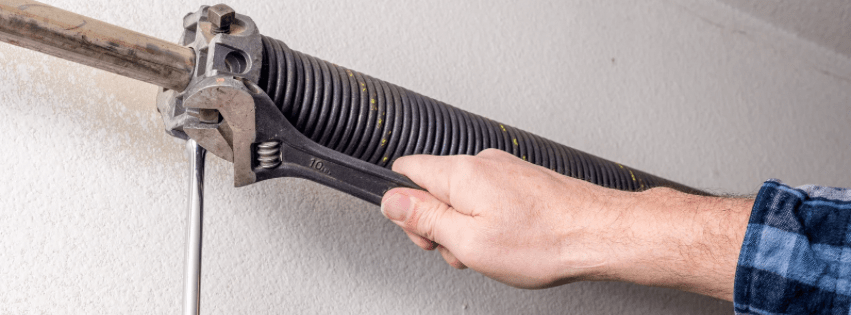
Torsion springs sit above the door, mounted on a metal shaft. When the door closes, the springs twist and build stored energy. When the door opens, that energy unwinds and lifts the door smoothly.
Key Benefits
- Longer lifespan (typically 15,000–20,000 cycles)
- Quieter and smoother operation
- More balanced lifting for heavy or wide doors
- Ideal for Ohio homes with attached garages
Signs Your Torsion Spring Needs Attention
- The door feels heavy
- The door opens only a few inches
- You hear a loud “bang” inside the garage
- The spring has a visible gap
If any of these happen, it’s time to call a professional. Attempting to handle torsion springs without proper tools can be extremely dangerous.
Extension Springs: Common and Budget-Friendly
How Extension Springs Work
Extension springs run along the sides of the door and stretch when the door closes. As the door opens, they contract, helping lift the door.
Benefits
- Lower upfront cost
- Common on older homes
- Simple design
Drawbacks
- Shorter lifespan than torsion springs
- Can be noisier
- Require safety cables to prevent snapping hazards
If your home has older extension springs, upgrading to torsion can significantly improve safety and performance.
Which Spring System Is Right for Your Home?
Most newer installations across Springfield, Dayton, and the Miami Valley use torsion springs because of their:
- Durability
- Safety
- Better weight distribution
However, extension springs can still be found in many older homes and work well when properly maintained.
If you’re unsure what you have, our team can identify your system during a standard tune-up or inspection.
How Often Should Garage Door Springs Be Inspected?
We recommend professional inspection once per year, especially before the heavy winter season when metal contracts and stress on the system increases.
During a tune-up, we:
- Lubricate moving parts
- Check balance and tension
- Inspect cables and drums
- Look for early signs of wear
You can also learn more in:
→ What to Do When Your Garage Door Stops Working
When to Call Springfield Overhead Door
If your garage door won’t open, feels unusually heavy, or you suspect a spring has snapped, it’s important to stop using the door and contact a professional immediately.
Our locally owned team has served the Miami Valley for over 30 years — offering trusted, reliable garage door spring repair in Springfield OH and surrounding communities.
Ready for a Spring Inspection or Repair?
Protect your home and keep your garage door running smoothly.
Schedule your service today at 937-325-4361 or request a quote online.
 Springfield Overhead Door
Leave a comment