
If your garage door has ever rattled, squeaked, screeched, or groaned loud enough to wake the whole house, you’re not alone. Noisy garage doors are one of the most common frustrations homeowners across Springfield and Dayton experience — especially in older homes or homes with attached garages.
But what actually causes garage door noise? And more importantly, what upgrades or adjustments can help create a smoother, quieter door?
Today, we’re breaking down the science behind garage door sound and the features that make a system noticeably quieter and more efficient.
Why Do Garage Doors Make Noise?
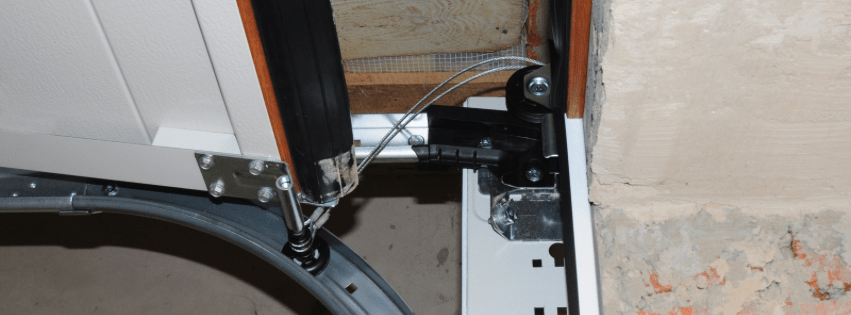
A garage door is a large moving system made up of metal parts — rollers, tracks, springs, hinges, and the opener. As these parts wear down or fall out of alignment, friction and vibration increase.
Common causes of excess noise include:
- Worn rollers
- Loose hardware
- Poor lubrication
- Rattling track systems
- Old chain-drive openers
- Aging extension spring systems
Before assuming a serious issue, homeowners can explore our troubleshooting resource:
→ Troubleshooting Strange Overhead Garage Door Noises
The Role of Rollers in a Quiet Garage Door
Rollers are one of the biggest contributors to noise — and one of the easiest upgrades.
Nylon Rollers vs Steel Rollers
- Steel rollers are durable but louder.
- Nylon rollers produce significantly less friction, making them one of the most effective noise-reducing upgrades.
If you want your garage door to glide instead of clatter, nylon rollers paired with proper lubrication can make a dramatic difference.
For more upkeep guidance, see:
Why Belt-Drive Openers Are So Quiet
Your opener type matters more than you might think.
Chain-Drive Openers
Traditional chain-drive units are strong and affordable, but they create vibration — especially as they age.
Belt-Drive Openers
A belt-drive opener, especially one from LiftMaster, uses a reinforced rubber belt instead of a metal chain. This absorbs movement and reduces vibration dramatically.
The result?
A quieter, smoother, evening-friendly operation.
If you’re considering smart features too, explore:
→ Garage Door Openers 101: Smart Features Worth the Upgrade
Spring Systems and Their Impact on Noise
Your garage door springs hold the weight of the door — and also affect how smoothly the door moves.
Torsion Springs = Quieter Operation
Torsion springs:
- Provide better balance
- Reduce jerky movement
- Produce less noise overall
If your home still has extension springs, upgrading can significantly reduce sound levels and improve safety.
For more on spring systems, see:
Track Alignment and Door Balance
A misaligned track doesn’t just create noise. It can cause long-term structural strain.
Signs your track system needs attention:
- Grinding noises
- Scraping during movement
- Uneven lifting
- The door shaking or vibrating
A professional tune-up includes alignment checks that keep the system running quietly and safely.
Lubrication: The Simple Step Most Homeowners Forget
Regular lubrication decreases friction between metal parts, reducing noise and preserving your system.
Key parts that benefit from lubrication:
- Hinges
- Rollers
- Springs
- Bearings
If you’ve never lubricated your garage door, or if you’re unsure what products are safe, a professional tune-up can help.
When It’s Time to Upgrade to a Quiet System
If your door is 10–15 years old, even proper maintenance may not overcome age-related noise. Upgrading to a modern, insulated door with nylon rollers and a belt-drive opener can drastically reduce sound.
Homeowners often notice improvements like:
- Smoother operation
- Less vibration
- Increased energy efficiency
- Improved curb appeal
Let’s Make Your Garage Door Quiet Again
Whether you need a minor adjustment or a full opener upgrade, Springfield Overhead Door is here to help. With 30+ years serving the Miami Valley, we know what it takes to get your garage door running quietly and reliably.
📞 Call 937-325-4361 or request service online today.


Leave a comment