
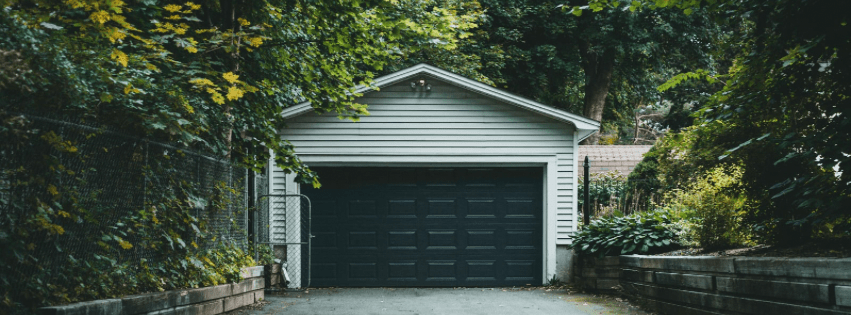
Your garage door is one of the hardest-working systems in your home. It opens and closes multiple times a day, protects your belongings, contributes to curb appeal, and helps keep your home secure. But like any major component of your home, it won’t last forever.
Understanding the typical life cycle of a garage door can help you plan for maintenance, repairs, and eventual replacement. Here’s what homeowners should know about what to expect over the lifespan of a garage door.
Years 1–5: The New Door Phase
During the first several years, most garage doors require very little beyond routine maintenance. Components are working as intended, the door operates smoothly, and major repairs are uncommon.
To keep your door performing its best:
- Lubricate moving parts annually
- Keep tracks clear of debris
- Test safety features regularly
- Schedule periodic professional inspections
Regular maintenance during these early years helps establish good habits that can extend the life of the entire system.
Years 5–10: Routine Wear Begins
By this point, daily use starts to show. Rollers, hinges, and weatherstripping may begin to wear down. You may notice slightly noisier operation or small performance changes.
Common maintenance items during this stage include:
- Replacing weatherstripping
- Tightening hardware
- Lubricating moving components
- Adjusting tracks and door balance
Addressing these small issues early can prevent larger repairs later.
Years 10–15: Increased Repairs and Upgrades
As a garage door system enters its second decade, some components may begin reaching the end of their expected lifespan.
Common repairs may include:
- Spring replacement
- Roller replacement
- Cable repairs
- Opener upgrades
This is also when many homeowners begin exploring newer technology, including smart garage door openers and improved insulation options.
If your opener is showing its age, check out:
How to Know If Your Garage Door Opener Is Compatible with Smart Devices
Years 15–20: Evaluating Performance
Many garage doors continue performing well after 15 years, especially when properly maintained. However, this is often the point when homeowners begin weighing the cost of repairs against replacement.
Questions to consider:
- Is the door operating reliably?
- Are repairs becoming more frequent?
- Has curb appeal declined?
- Is energy efficiency a concern?
Newer doors often provide better insulation, quieter operation, and updated safety features.
Years 20–30: Planning for Replacement
A well-maintained garage door can often last 20 to 30 years. However, by this stage, replacement may be the most practical option.
Signs it may be time to replace your garage door include:
- Frequent repairs
- Significant rust or deterioration
- Sagging sections
- Outdated safety features
- Poor energy efficiency
A new garage door can improve both functionality and appearance while reducing ongoing maintenance costs.
Factors That Impact Lifespan
Not every garage door ages at the same rate. Lifespan is influenced by:
- Quality of installation
- Frequency of use
- Weather exposure
- Maintenance habits
- Material type
Routine professional inspections can help identify issues before they shorten the life of your system.
Protect Your Investment
The best way to maximize the life of your garage door is through regular maintenance and timely repairs. Small investments in upkeep can add years to the life of your door and help you avoid unexpected breakdowns.
If you’d like to have your garage door inspected or serviced, Springfield Overhead Door is here to help.
☎️ 937-325-4361
Schedule your service today and keep your garage door operating smoothly for years to come.


Leave a Reply