
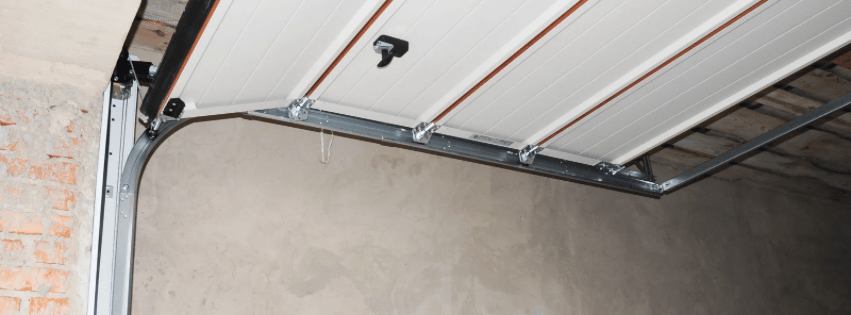
When most homeowners think about their garage door, they tend to focus on the opener, springs, or panels. However, one of the most important parts of the entire system is often overlooked: the tracks.
Garage door tracks guide the door as it opens and closes. When they are properly aligned, the door moves smoothly and safely. When they become damaged or misaligned, you may notice unusual noises, uneven movement, or even complete system failure.
Understanding how garage door tracks work can help you recognize potential issues before they turn into costly repairs.
What Do Garage Door Tracks Do?
Garage door tracks serve as the pathway for the rollers attached to your door. As the door opens and closes, the rollers travel along the tracks, ensuring smooth and controlled movement.
The track system includes:
- Vertical tracks on each side of the door
- Curved sections that transition overhead
- Horizontal tracks that support the open door
Together, these components help maintain balance and stability throughout operation.
Signs Your Tracks May Need Adjustment
Garage door tracks can gradually shift over time due to daily use, vibration, weather changes, or accidental impacts.
Common signs of track issues include:
- Grinding or scraping noises
- Uneven door movement
- Gaps between rollers and tracks
- The door appearing crooked when opening or closing
- Slow or jerky operation
If you notice any of these symptoms, it’s important to address them promptly.
What Causes Track Problems?
Several factors can contribute to track misalignment.
Accidental Impact
Bumping the track with a vehicle, lawn equipment, or heavy storage items can bend or shift the system.
Loose Hardware
Over time, the bolts and brackets securing the tracks may loosen, allowing movement that affects alignment.
Normal Wear and Tear
Even properly maintained systems experience gradual wear that can affect track positioning over the years.
Why DIY Track Adjustments Can Be Risky
While some home maintenance projects are great DIY tasks, garage door track adjustments are not typically one of them.
Garage doors are heavy, and improper adjustments can:
- Create safety hazards
- Damage rollers and tracks
- Increase wear on the opener
- Lead to more expensive repairs
Professional technicians have the tools and experience needed to safely inspect and adjust track systems.
The Importance of Regular Inspections
Routine inspections can help identify small issues before they become major problems.
A professional inspection may include:
- Track alignment checks
- Roller inspections
- Hardware tightening
- Door balance testing
- Safety feature evaluations
Preventative maintenance often extends the life of the entire garage door system.
When Should You Call a Professional?
If your garage door is making unusual noises, moving unevenly, or showing signs of track damage, it’s a good idea to schedule an inspection.
Ignoring track issues can place additional stress on other components, leading to larger repairs down the road.
Keep Your Garage Door Running Smoothly
Your garage door tracks play a critical role in safe, reliable operation. Keeping them properly aligned helps protect your investment and ensures dependable performance.
Springfield Overhead Door has been helping homeowners maintain and repair garage door systems for over 30 years.
☎️ 937-325-4361
Contact us today to schedule an inspection or service appointment.


Leave a Reply